

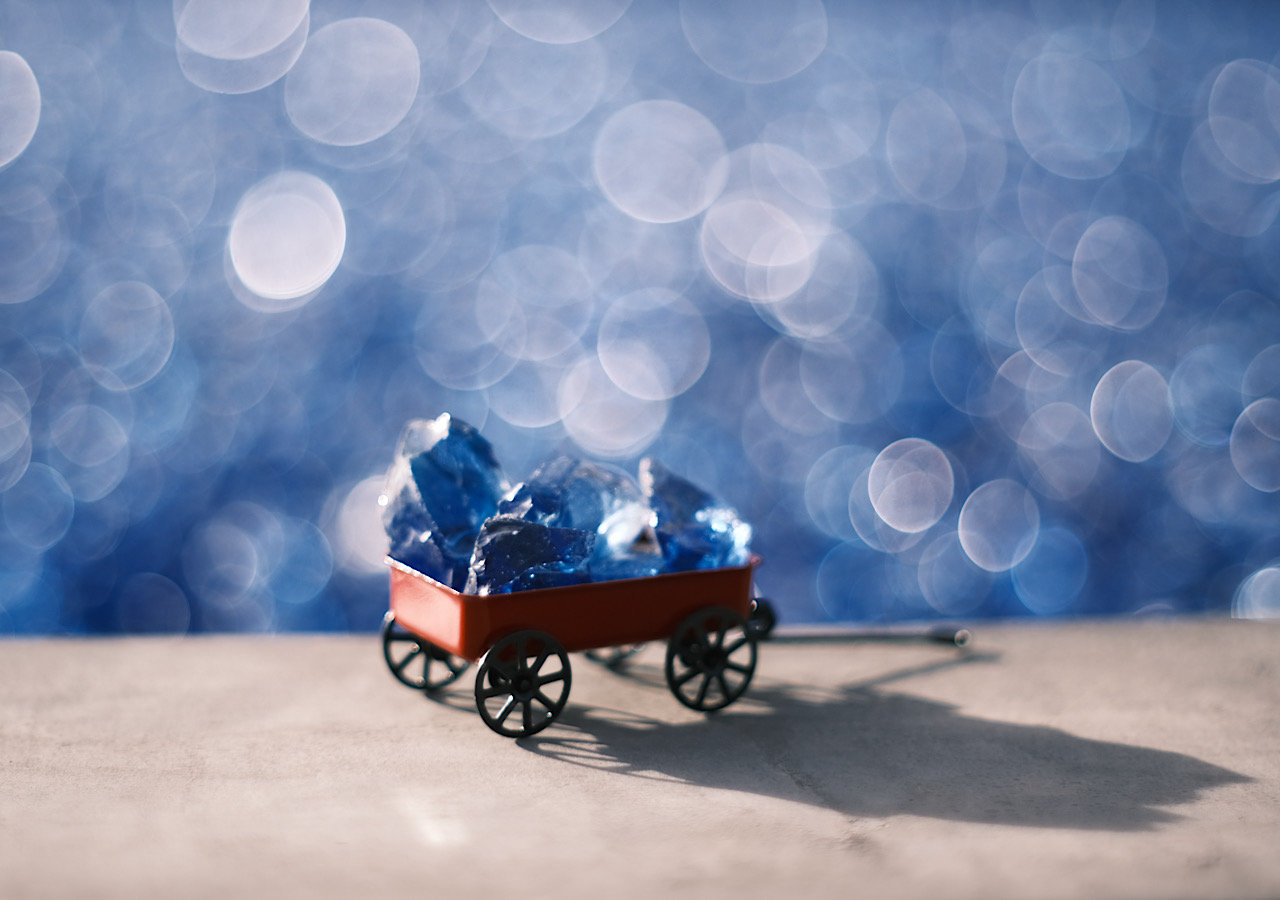
Toy photography has fundamentally shifted my perspective. It’s taught me to see the world through a completely different lens; literally and figuratively. Recently, I took a stroll through downtown Mesa, Arizona, scouting for the perfect urban nooks to showcase one of my favorite figures.
The Subject: “BottleCap Collector”
The star of this photo walk was my Millinillion, “Monster Child” from Toys Alliance’s Acid Rain World. There’s something uniquely captivating about this figure. He strikes that perfect, eerie balance between “strange” and “endearing”.
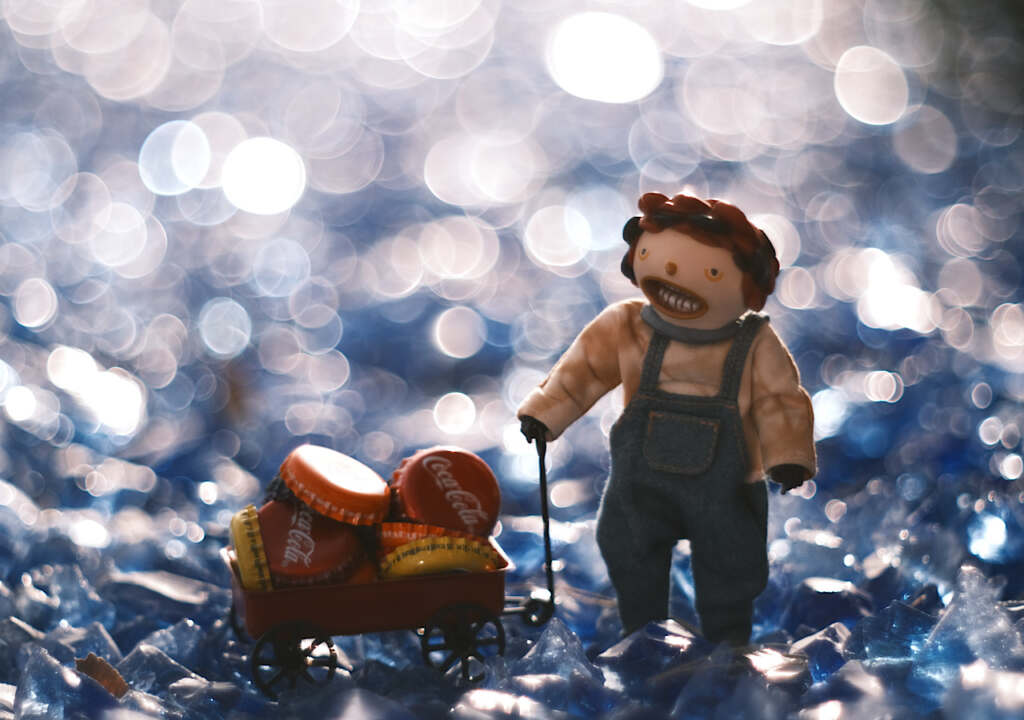
I’m glad I snagged him from PIA Club before the recent tariff hikes made these imports so pricey! For this photo session, I brought along a handful of bottle caps and a tiny red wagon I found at Hobby Lobby. I wanted to lean into his “BottleCap Collector” persona, a recurring series I’ve been developing on my Instagram through stills and stop-motion.
The Gear: Vintage Glass and Film Simulations
I opted for my Fujifilm X-E4 for this outing for the toy photos. I’m a huge fan of Fuji’s internal film simulations, so I photographed these as JPEGs straight out of the camera using the Classic Neg filter. To add a bit of character, I paired the body with a vintage, manual-focus Mamiya Sekor 55mm f1.4. This specific lens is “radioactive”—the glass elements are infused with thorium, which would actually set off a Geiger counter!
Beyond the cool factor, it provides a gorgeous, warm tone and a unique bokeh that modern lenses struggle to replicate. Fun fact for the gearheads: this lens is essentially a “poor man’s Tomioka”. It was produced in the same facility as the legendary $1,400 Tomioka lenses but branded differently, allowing me to get that premium rendering at a budget $80 (shhh, this is a secret, don’t want to drive up those eBay prices…).
The Vision: Dual Functionality
For me, the heart of toy photography is “dual functionality”. I love the challenge of taking a mundane, everyday location and transforming it into an epic cinematic backdrop.It’s easy to overlook the potential of our surroundings, whether you live in a sleepy small town, the quiet countryside, or a bustling city. Toy photography reveals the hidden creativity tucked away in plain sight. It’s a reminder that we don’t need a big-budget set to create something amazing.
From Macro to Micro
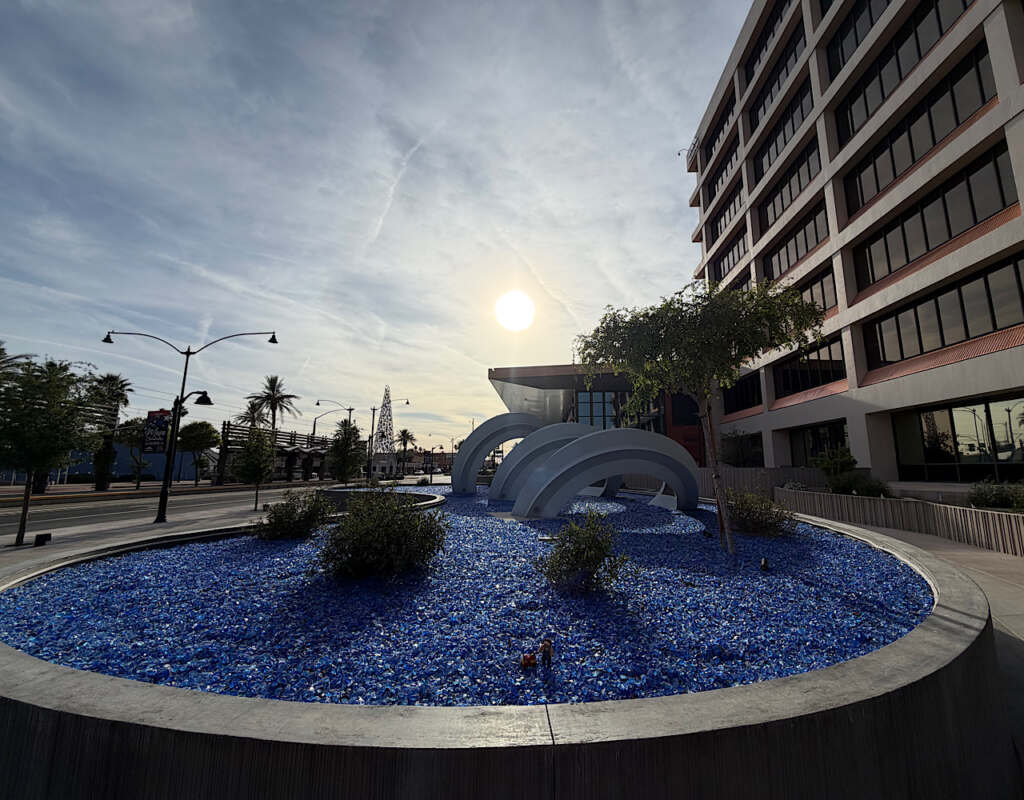
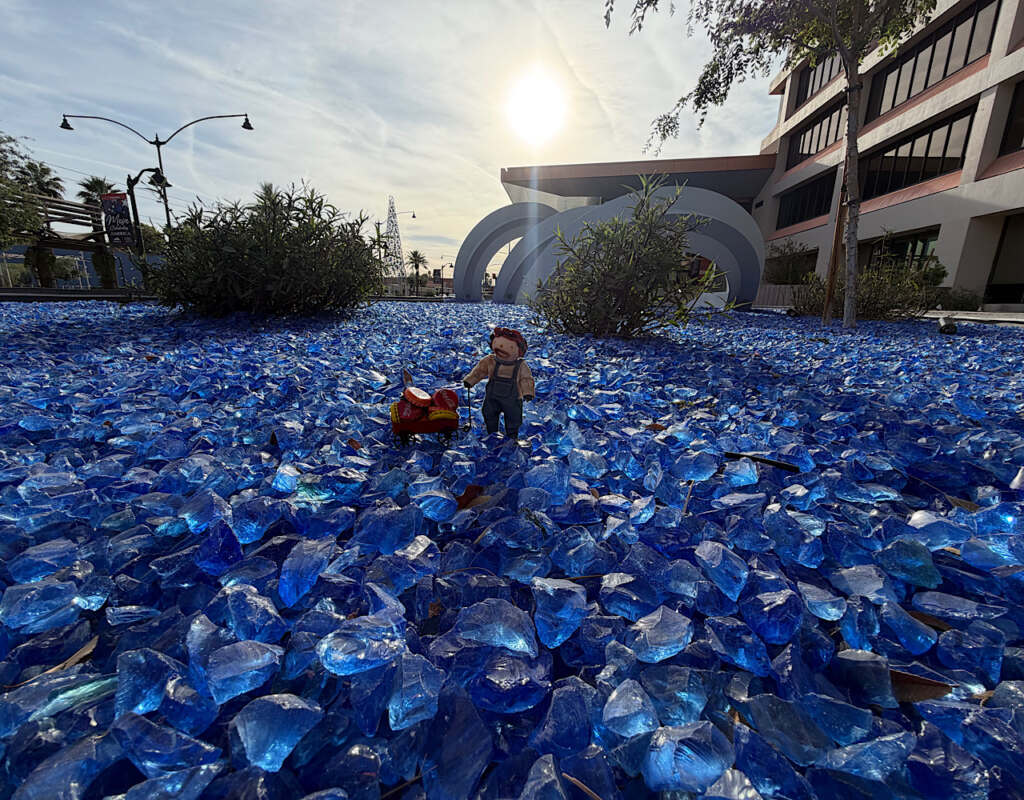
In the three galleries below, I’ve included:
1. The Establishing Shot: The “boring” real-world location.
2. The Transition: Zooming in on the specific site I chose.
3. The Result: The final toy photo in all its glory.
I hope this short session inspires you to look at your own neighborhood with fresh eyes. There is an overwhelming amount of “awesomeness” surrounding us every day. We just have to be willing to get down on the ground to see it.
After all, the whole world is a studio!
Joseph Cawlishaw @joecow
What’s your favorite “mundane” spot that turned into a masterpiece? Let’s chat in the comments!
Gallery #1
Gallery #2

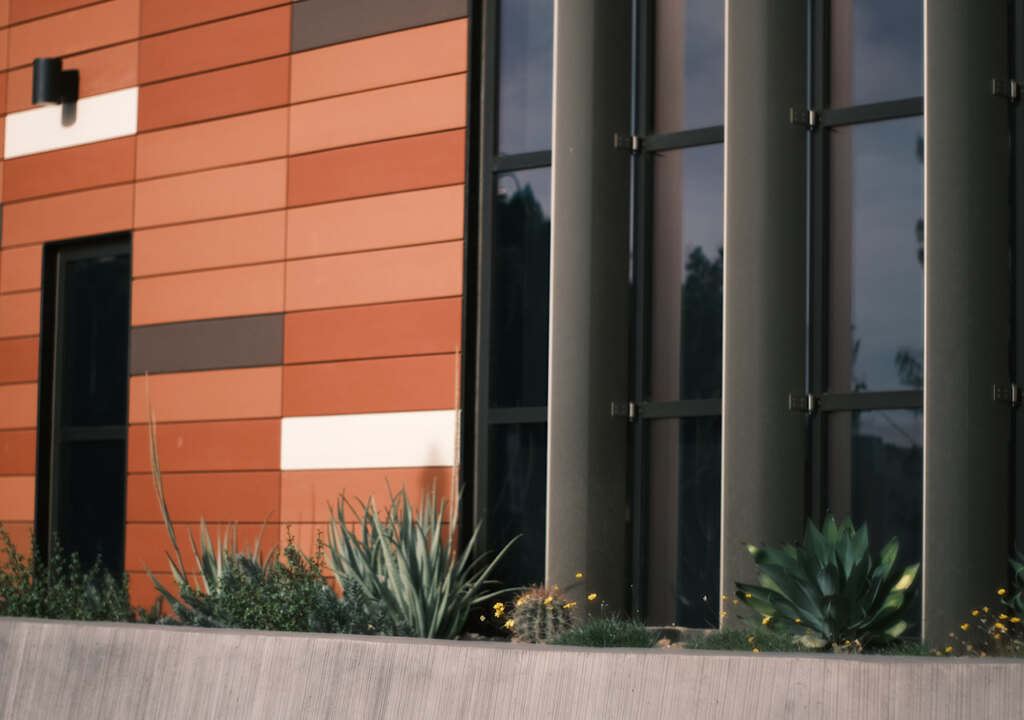
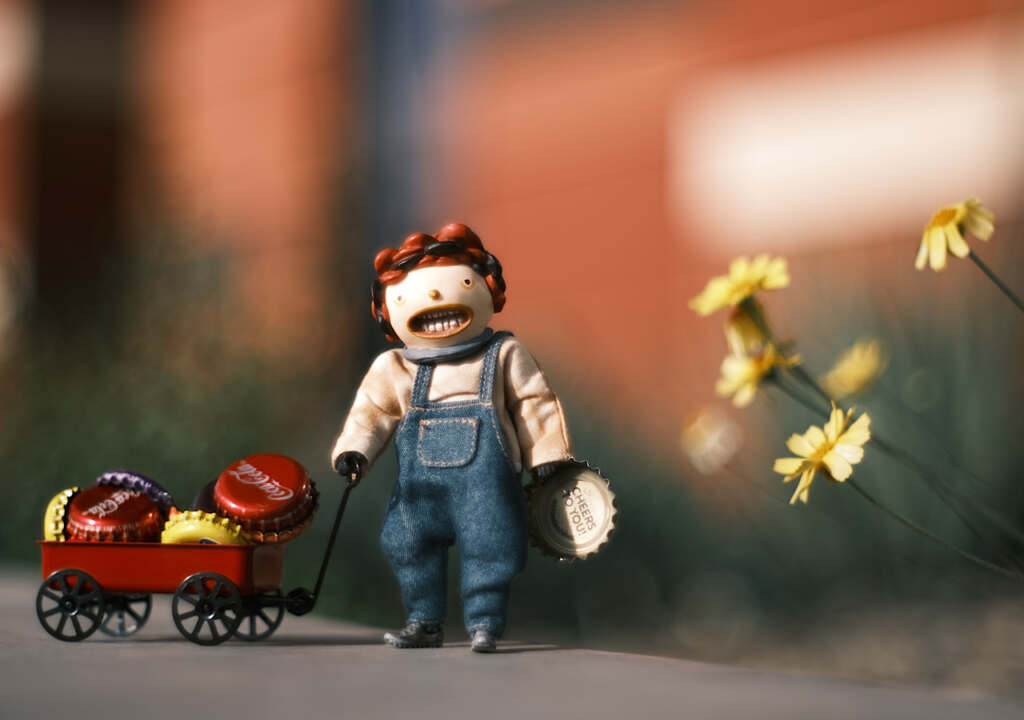
Gallery #3
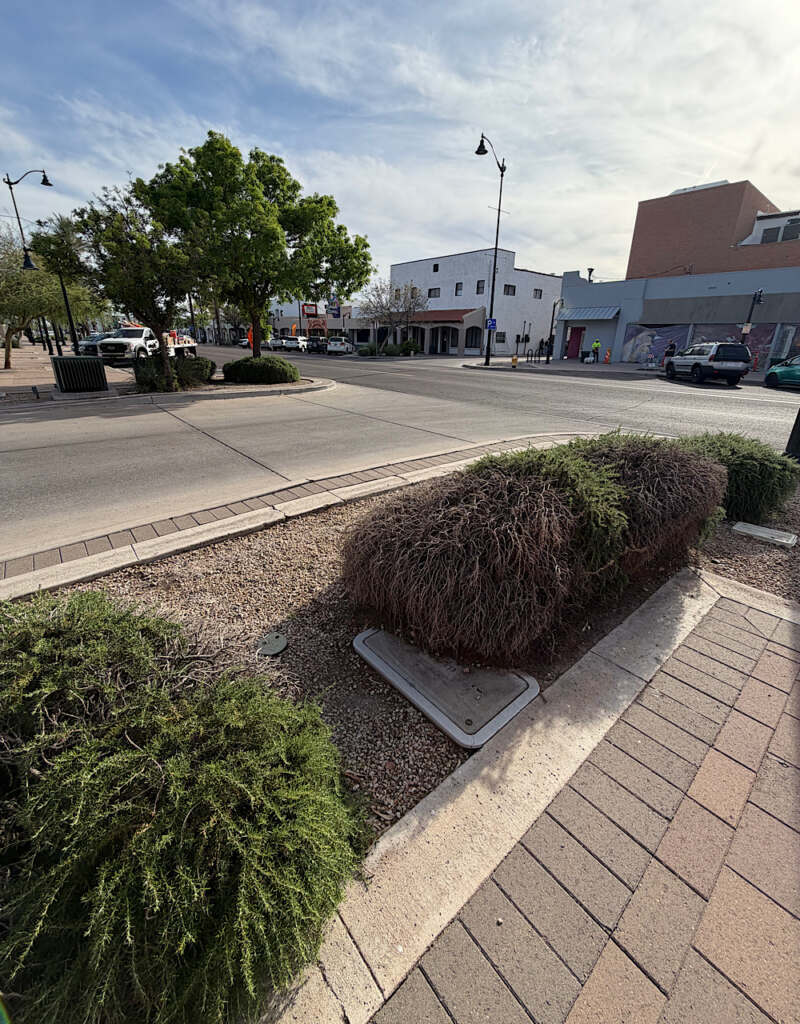

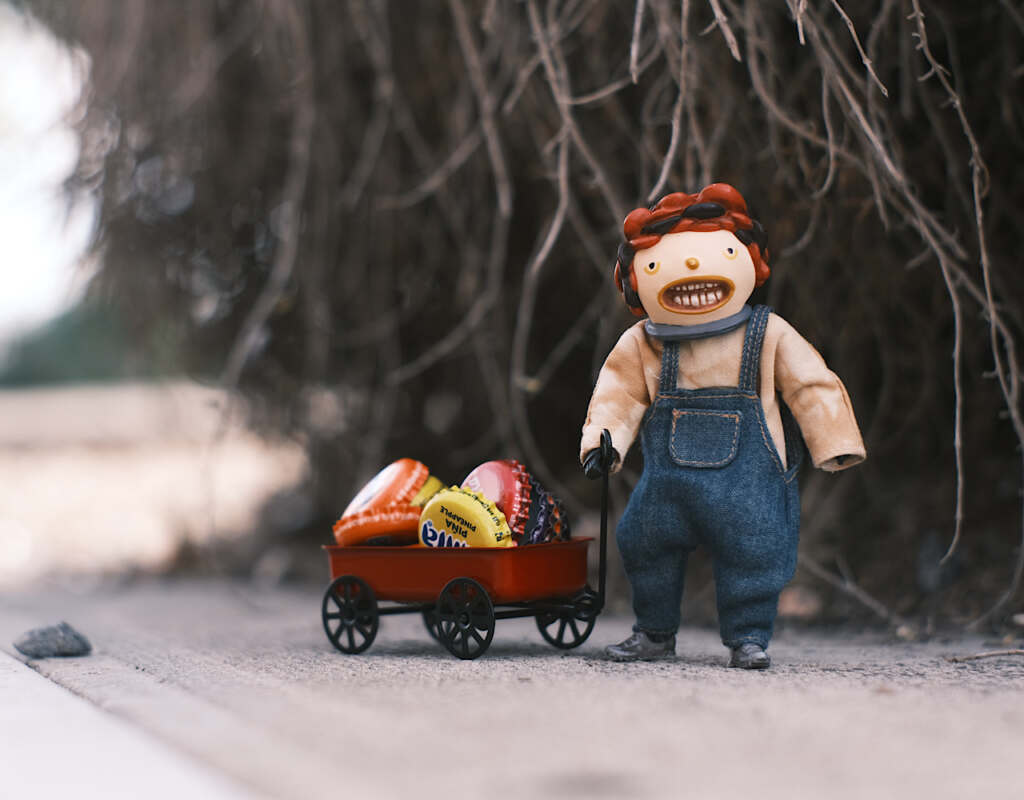

![AI is ruining toy photography [a personal viewpoint]](https://toyphotographers.com/wp-content/uploads/2026/03/Together-As-One-Ultra-Magnus-revealed-scaled-500x383.jpg)
Amazing photos and tips, Joe. I love what that lens does, especially with the glass chips.
Thanks Ann! Fun little shoot—so many possibilities with toy photography.
Love this! This inspires me to want to try something similar. I remember when I used to do something similar .. so long ago. Thank you for sharing this Joe.
I love seeing the “boring, real-world location” and then zooming in a bit, and then the final photo! It’s THAT magic that keeps me coming back to toy photography. It’s like every photo screams, “You think there’s no more mystery and magic in this modern world? Think again. It’s right. Under. Your. Nose.” Ha!
Exactly! It really doesn’t matter where I am. If I have some toys and my camera any spot can turn into what I want it to be.
Awesome article, Joe!!! And a great reminder that I need to break my toys out more when I’m out in the world.